×

Challenges Behind the Disappearance of Foreign Workers in Japan

Japan has been increasingly recruiting foreign workers annually to meet its labour shortages. Currently, the number of foreign workers has reached a record high of over 2 million. However, alongside this growth, a major social and legal issue has emerged: the high rate of technical intern trainees disappearing from their workplaces.1. What is "失踪" (Shissou)?In Japanese legal and immigration...

Read more
Introduction of the New Residence Card (Zairyu Card) System in Japan

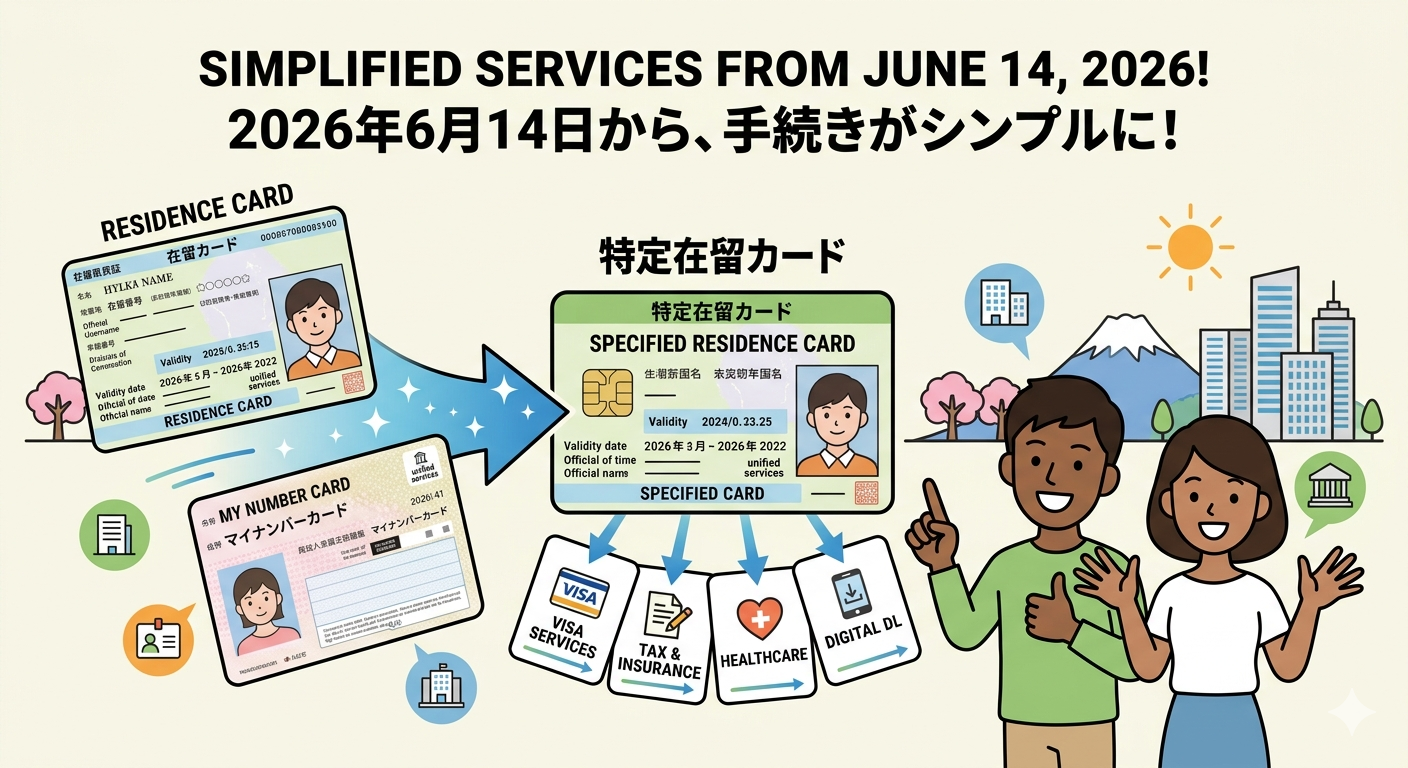
Starting June 14, 2026, Japan will officially introduce a new Residence Card system for foreign residents. According to the Immigration Services Agency of Japan, this new system will integrate the current Residence Card with the individual identification card (My Number Card) into a single card. The initiative aims to simplify and speed up administrative procedures for foreign residents.Key ...

Read more

Golden Week in Japan

Golden Week in Japan is a well-known cluster of public holidays that occurs during the spring season and is considered one of the most important holiday periods in the country. It typically takes place from late April to early May, combining several national holidays into a continuous break. This period provides an excellent opportunity for workers and students to relax and travel, leading to...

Read more

Japan Approves New Blue Ticket System for Bicycle Traffic Violations

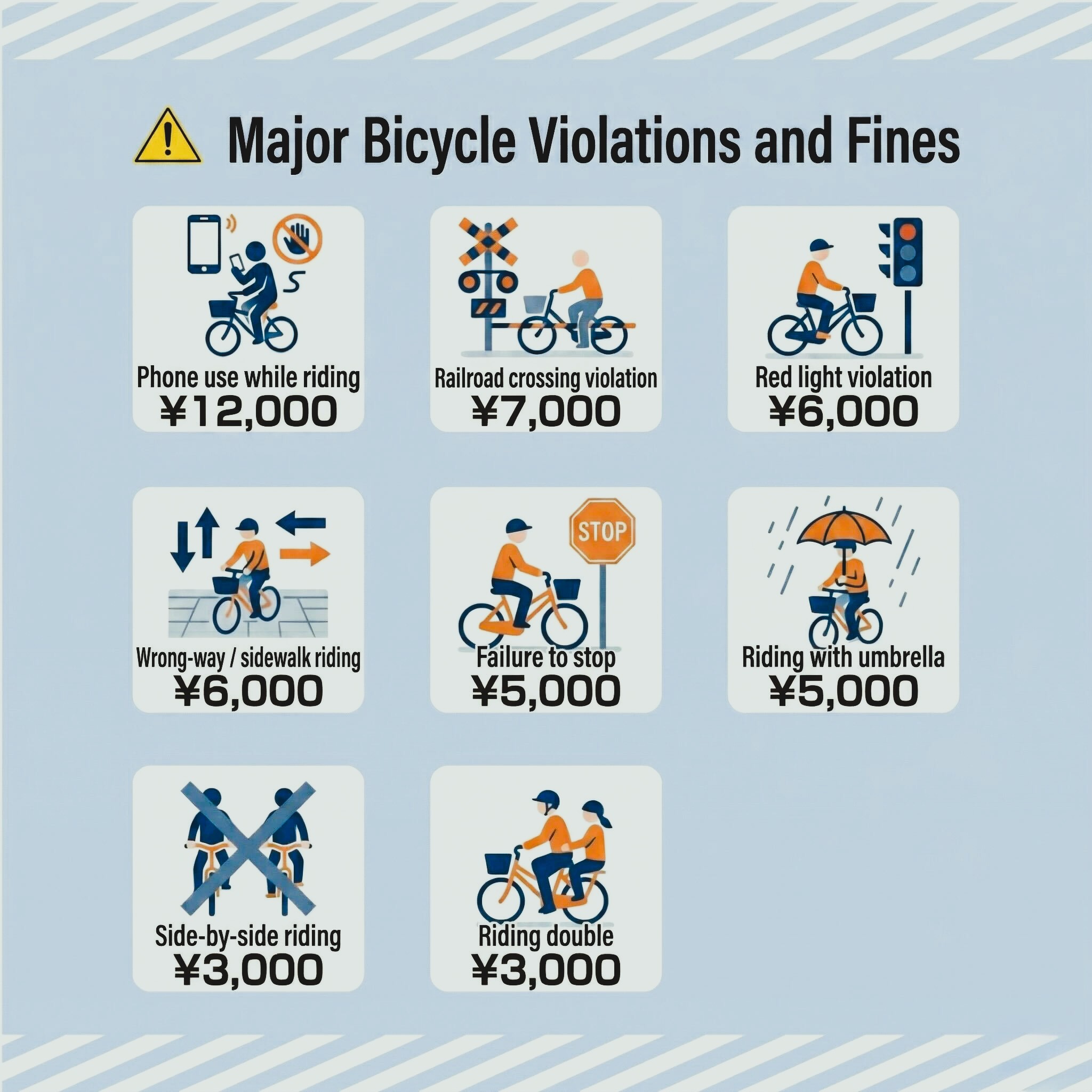
The Japanese government has approved the "Blue Ticket" system, which requires on-the-spot fine payments, to effectively control traffic violations and reduce accidents. This system applies to all cyclists aged 16 and older. While the "Blue Ticket" system was introduced in April, the fundamental rules regarding how to ride a bicycle remain unchanged.1. Background of the New System Previously, ...

Read more

Hinamatsuri - The Profound Tradition of Doll’s Day in Japan

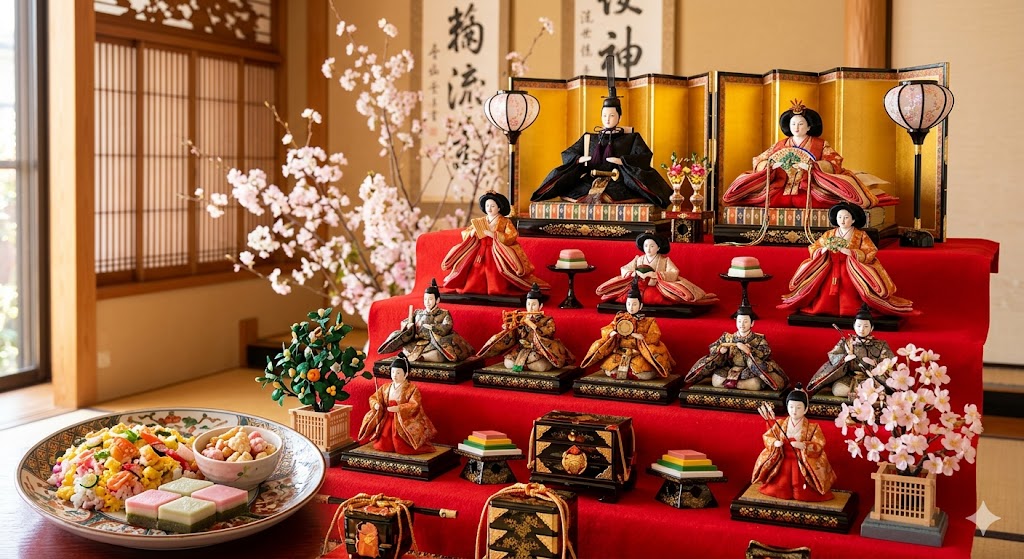
Hinamatsuri, celebrated on March 3rd, is one of Japan's five seasonal festivals (Sekku). It is a cherished day dedicated to the well-being and future happiness of daughters in the family.Historical RootsThe festival traces back to the Heian period (794–1185), originating from an ancient ritual called Hina-nagashi. In this ritual, straw or paper dolls were set adrift down a river to carry away ...

Read more

Embracing the End of Winter: The Traditions of "Setsubun" in Japan

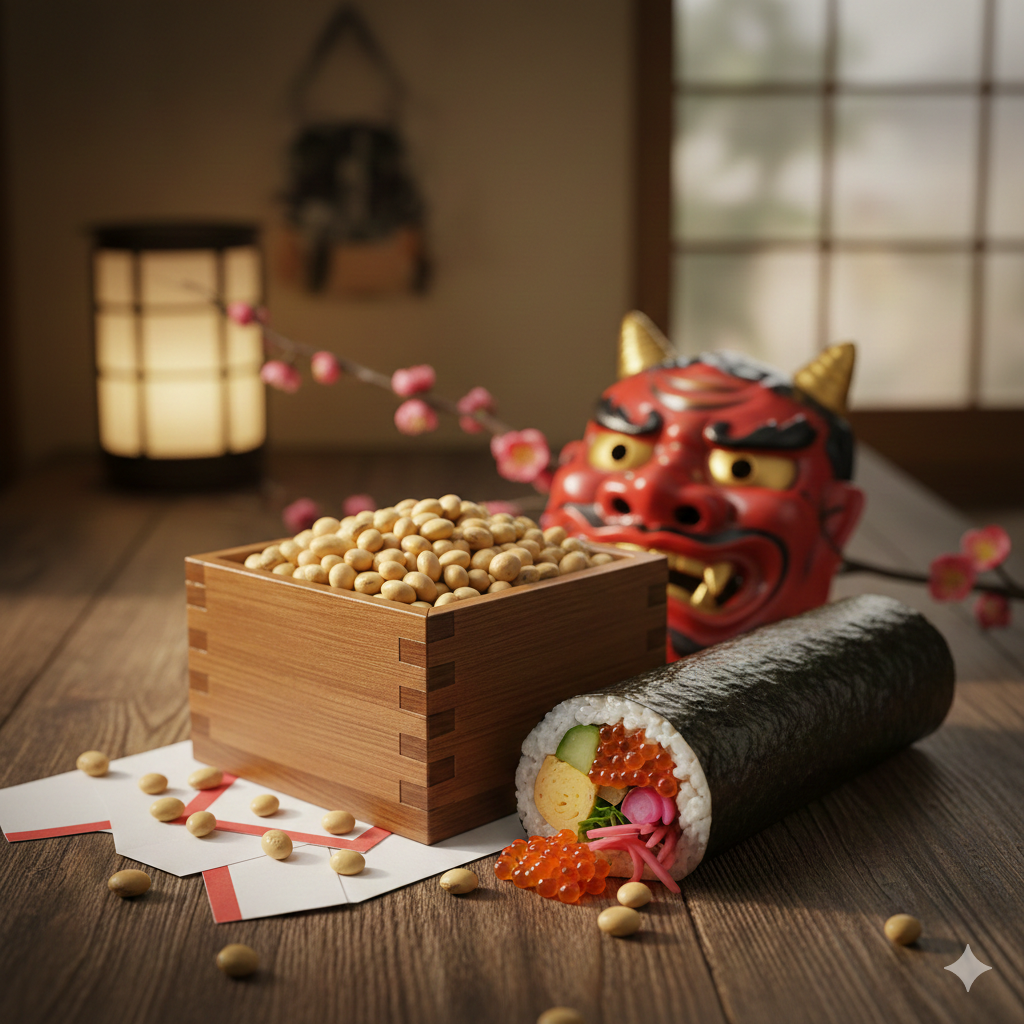
As winter draws to a close and Japan prepares for the arrival of spring, a unique and vibrant traditional festival known as "Setsubun" is celebrated across the country. This festival, held annually around February 3rd, serves a vital purpose: to drive away evil spirits and welcome good fortune for the coming year.1. What is Setsubun?The word "Setsubun" literally means "seasonal division." I...

Read more

New Year in Japan (Oshogatsu)

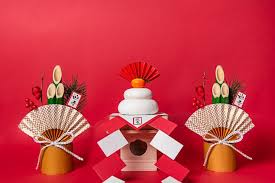
In many Western cultures, New Year’s Eve is a night of loud parties and fireworks. In Japan, however, Oshogatsu (New Year) is a scared, quiet, and deeply family-oriented holiday. It is arguably the most important event on the Japanese calendar, centered around welcoming the Toshigami-sama (New Year deity) who brings blessings for the coming year.1. Preparation: Out with the oldThe Japanese New...

Read more

Japan Plans Major Hike in Residency Fees to Match Western Standards

The Japanese government has solidified a policy to raise fees for foreign residency procedures to match levels in Europe and the United States during the next fiscal year. It plans to submit a bill to amend the Immigration Control and Refugee Recognition Act to the ordinary Diet session next year. The increased revenue will be used to fund foreign policy measures, such as improving the envir...

Read more

Foreigners who are in arrears with their insurance premiums cannot renew or change their residence status

The Ministry of Health, Labour and Welfare and other related agencies have solidified a policy to introduce a system that will in principle not allow changes or renewals of residence status for foreign nationals who are in arrears on National Health Insurance premiums and do not respond to payment requests, starting in June the year after next (June 2027).Foreign nationals whose period of stay...

Read more

Japanese Garbage Disposal Rules

Japan is well-known for having strict and complex garbage disposal rules, which are essential for promoting environmental protection, recycling, and maintaining clean public spaces. The most important thing to remember is that rules vary significantly by municipality (city, ward, or town), so you must follow the specific guidelines for where you live.1. The Core Principle: Detailed Separatio...

Read more

Japanese Street Manners

Japanese street manners are an essential part of the country’s social fabric, rooted deeply in principles of respect, consideration, and harmony. Observing these unspoken rules is crucial not only for navigating public spaces smoothly but also for showing respect to the local culture and its people. Unlike in some Western countries, the focus is less on individual rights and more on ensuring ...

Read more

Japanese Home Visiting Manners

Visiting a Japanese home is an opportunity to experience Japanese hospitality and culture, and it comes with specific, important etiquette rules. Punctuality is paramount; guests should aim to arrive exactly on time or perhaps a few minutes after the agreed time, as arriving too early can interrupt the host’s final preparations. Upon arrival, it is customary to greet the host and say “Ojamash...

Read more

Japan’s foreign-worker options compared: SSW (i), SSW (ii)

Specified Skilled Worker (i): Overview and Features Target: Foreign nationals engaged in work requiring skills needing considerable knowledge or experience in specified industrial fields. Requirements: Generally, requires passing a skills test for the specific field and a Japanese language proficiency test (e.g., JFT-Basic A2 level or higher, or JLPT N4 level or h...

Read more

Train Manners

Inside stationsAll too often, groups of tourists and their luggage are seen causing nuisance to people around them by standing in the middle of passageways and the like. Be conscious of the flow of people around yourself. Don't block passageways with yourself, your backpack or your suitcases. When not moving or when waiting for others, move to a space where you do not block tr...

Read more

Japan to Review Foreign Technical Intern Training Program

Under pressure from a labor shortage, the Japanese government has decided to replace its present foreign trainee program with a new system designed to attract foreign workers to Japan.The present "technical intern training program" was introduced in 1993, with the aim of offering foreign workers from developing countries training in useful skills. However, this program has been criticize...

Read more

New Bicylcle Law in Japan

Japan Introduces "Blue Ticket" Fines to Crack Down on Cycling ViolationsIn a significant move to enhance road safety, Japan is implementing a new "blue ticket" system for bicycle riders, which will go into effect in April 2026. This system is designed to impose on-the-spot fines for a wide range of traffic violations, moving away from the previous model where many minor infractions only resul...

Read more

Key Changes to Japan’s Specified Skilled Worker (SSW) System

1. Revisions to Reporting Requirements● Expansion of Situations Requiring Ad Hoc ReportsPreviously, reports labeled as “Inability to Continue Acceptance” were required only when a foreign worker did not begin working or ceased activities. As of April 2025, the following situations also require such notification: When a foreign worker does not begin work within one month after the resi...

Read more

Japanese Dining Etiquette

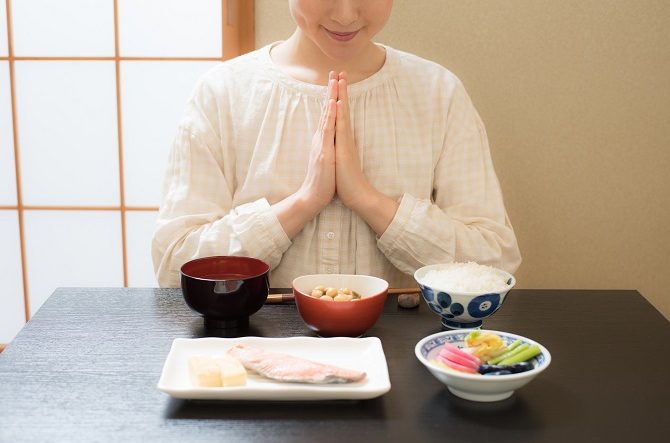
When dining in Japan, understanding and following proper etiquette is crucial for a respectful and enjoyable experience. The first rule to remember is the use of chopsticks, or hashi. Always use both hands to pick up your chopsticks and avoid sticking them vertically into your rice bowl, as this is a gesture associated with funerals. Never pass food from your chopsticks to someone else's, as...

Read more

Japanese Business Card

In Japan, the meishi (名刺), or business card, transcends its utilitarian function to become a pivotal element of professional introductions and relationship building. Far from a mere exchange of contact details, the meishi koukan (名刺交換) – the act of exchanging cards – is a deeply ingrained ritual that embodies respect, and precision within Japanese business culture. This practice is so fundam...

Read more

Obon Festival

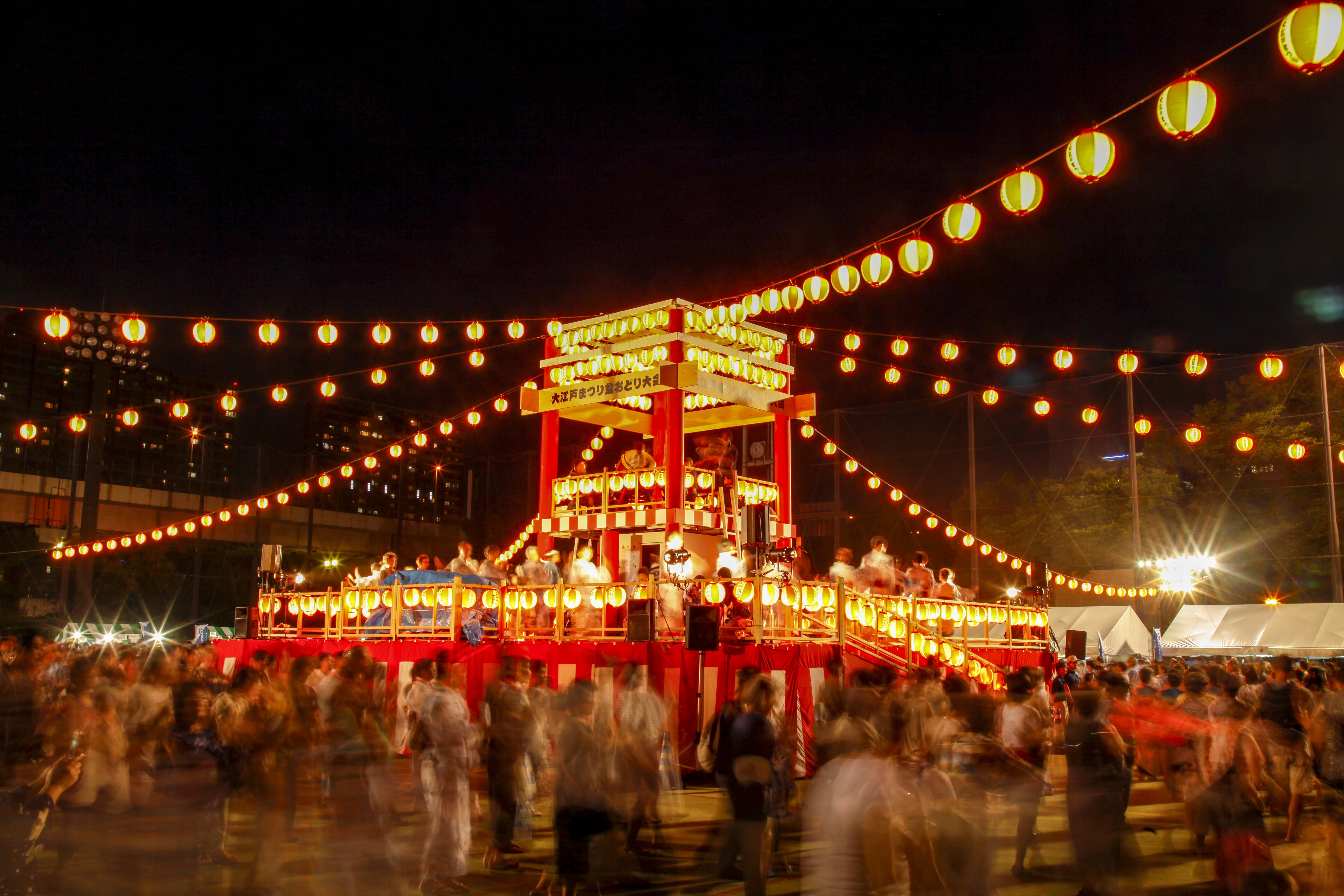
Obon Matsuri, often simply called Obon, is a significant Japanese Buddhist custom that honors the spirits of one's ancestors. It is generally observed over three days, though the specific dates can vary by region, typically falling in mid-August (around the 13th to 15th) or mid-July. During this period, it is believed that the spirits of the deceased return to their earthly homes to visit th...

Read more

Notification of required evidence/documents for birth registration of a child born outside the country to Myanmar parents

1. Embassy of the Republic of the Union of Myanmar Tokyo serves the interests and consular affairs of Myanmar citizens living and working in Japan in accordance with laws and procedures.2. Among the matters related to citizenship, for children born abroad to Myanmar citizen parents, birth registration must first be applied for through the Myanmar Embassy within one year of birth in accordance w...

Read more

The Art of Japanese Calligraphy

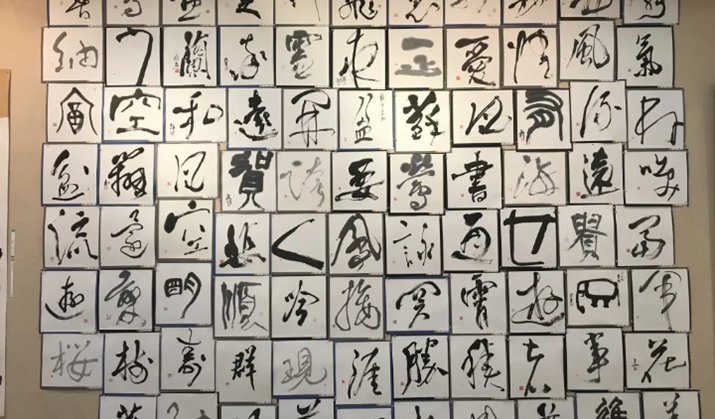
Japanese calligraphy, known as Shodo (書道), meaning "the way of writing," is a profound art form deeply rooted in centuries of history and spiritual practice. Evolving from Chinese calligraphy, Shodo became integral to Japan's cultural identity, embodying precision, aesthetics, and personal expression through the elegant strokes of kanji, hiragana, and katakana. Traditionally practiced by samu...

Read more

(Mushi Oidon) in Amakusa, Kumamoto – A festival to drive away pests from rice fields and pray for a good harvest.

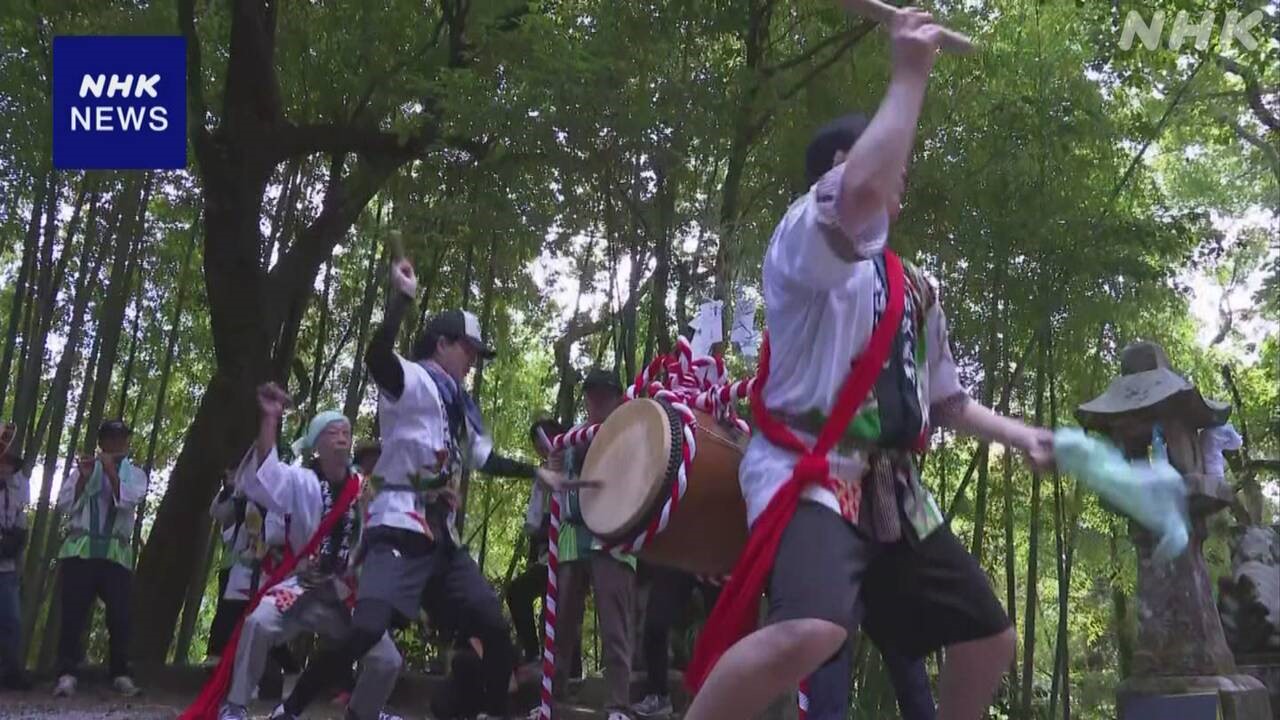
In Amakusa City, Kumamoto Prefecture, the traditional festival "Mushi Oidon", held to drive away pests from rice fields and pray for a bountiful harvest, took place. "Mushi Oidon" is a festival said to have been passed down for over 450 years in the Uchinohara district of Kutama Town, Amakusa City, and it is designated as an Intangible Folk Cultural Property of the city. In the grou...

Read more

Hospitality

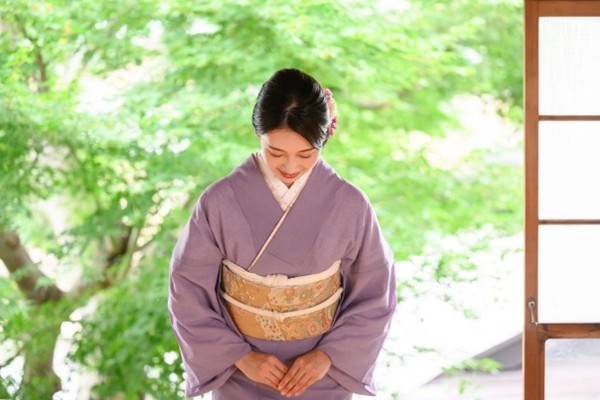
    Japan has a deep-rooted culture of "omotenashi," which originates from the tea ceremony. It means treating guests with sincerity. This word is the epitome of Japan, and represents the Japanese spirit of hospitality, which emphasizes consideration rather than expectations. If you travel to Japan, you will surely be able to experience the spirit of "omotenashi" through c...

Read more

Extreme heat strikes Japan

Extreme Heat Strikes Japan on June 17On June 17, warm air from the south covered the Japanese archipelago, causing temperatures to rise to dangerous levels, resulting in a severe heatwave across Japan.In Takasaki City, Gunma Prefecture, the temperature rose to 37.2°C just before 10:30 a.m., marking a "mousho-bi" (extremely hot day) with temperatures over 35°C.According to the Japan Meteorological ...

Read more